The TP-Link Tri-Band BE9700 WiFi 7 Router review centers on the Archer BE600, a tri-band router built for homes with newer Wi-Fi devices, multi-gig internet, and several wired connections.
Its 6 GHz band and generous port selection are most compelling when the rest of the home network can use them.
Archer BE600 Review Summary
The quick verdict
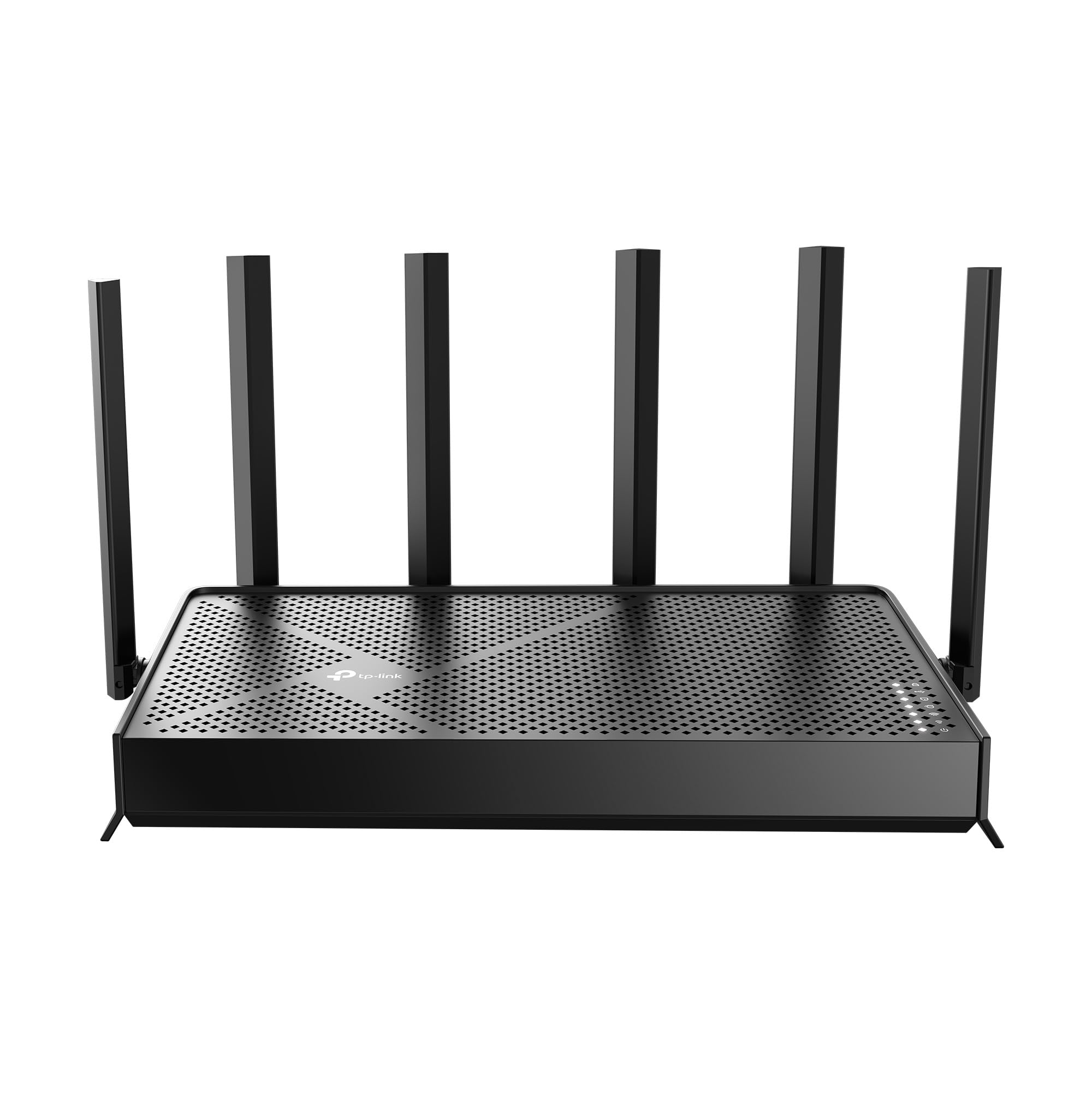
600+ ratings
Read Amazon ReviewsTP-Link Archer BE600
A strong fit for busy homes seeking tri-band Wi-Fi 7, multi-gig wired ports, and broad device support in one router.
- Tri-band Wi-Fi 7 with listed maximum rates of 5,765 Mbps on 6 GHz, 2,882 Mbps on 5 GHz, and 1,032 Mbps on 2.4 GHz.
- Wi-Fi 7 features include Multi-Link Operation, Multi-RUs, 4K-QAM, and channel widths up to 320 MHz.
- One 10 Gbps WAN/LAN port, one 2.5 Gbps WAN/LAN port, and three 2.5 Gbps LAN ports.
- Six antennas and beamforming; coverage is listed at up to 2,600 square feet for up to 120 devices.

Pros
- The 6 GHz band and Wi-Fi 7 features give compatible newer devices room to use the latest wireless capabilities.
- Its mix of 10 Gbps and 2.5 Gbps ports can support a multi-gig modem and several fast wired devices.
Consider before buying
- The benefits of Wi-Fi 7 and 6 GHz depend on having compatible devices; older clients cannot use all of the router's newer capabilities.
- The maximum wireless rates and coverage figures are conditional. Walls, distance, interference, and client hardware can change real results.
Read the full review summary
The Archer BE600 combines Wi-Fi 7 features such as Multi-Link Operation, Multi-RUs, 4K-QAM, and channels up to 320 MHz with listed maximum wireless rates of 5,765 Mbps on 6 GHz, 2,882 Mbps on 5 GHz, and 1,032 Mbps on 2.4 GHz.
It also has six antennas, beamforming, and a claimed coverage area of up to 2,600 square feet for up to 120 devices. These figures describe its design targets, not guaranteed speeds or coverage in every home.
Its wired layout is a notable part of the package: one 10 Gbps WAN/LAN port, one 2.5 Gbps WAN/LAN port, and three 2.5 Gbps LAN ports give compatible modems and wired devices room to connect above gigabit speeds.
The router also supports VPN client and server functions and can be managed through the Tether app or a web interface.
It suits buyers building a capable home network, especially when they already have Wi-Fi 7 clients or multi-gig equipment.
The buying factors
Archer BE600 Scorecard
Editorial scores reflect listed features and buyer fit; they are not laboratory measurements or customer ratings.
Wi-Fi generation and band choice
Tri-band Wi-Fi 7 includes a 6 GHz band and several newer Wi-Fi features, making the design well suited to compatible devices.
Wireless capacity on paper
Its combined band-rate figures are high, though actual results depend on client support, distance, interference, and the internet connection.
Wired multi-gig flexibility
A 10 Gbps WAN/LAN port and four multi-gig ports offer substantial flexibility for fast internet and wired equipment.
Coverage and device capacity
The design lists coverage up to 2,600 square feet and support for up to 120 devices, useful targets for a busy household.
Network management and VPN
App and web setup, plus VPN client and server support, address common management and remote-connection needs.
Value for a typical home
The feature set is extensive, but buyers with basic internet and few Wi-Fi 7 clients may not make use of its headroom.
Key Features and Specifications of Archer BE600
- Tri-band Wi-Fi 7 with listed maximum rates of 5,765 Mbps on 6 GHz, 2,882 Mbps on 5 GHz, and 1,032 Mbps on 2.4 GHz.
- Wi-Fi 7 features include Multi-Link Operation, Multi-RUs, 4K-QAM, and channel widths up to 320 MHz.
- One 10 Gbps WAN/LAN port, one 2.5 Gbps WAN/LAN port, and three 2.5 Gbps LAN ports.
- Six antennas and beamforming; coverage is listed at up to 2,600 square feet for up to 120 devices.
- TP-Link HomeShield features network protection, parental controls, and IoT security.
- VPN client and server support, with simultaneous VPN and regular internet connections.
- Setup and management through the Tether app for Android or iOS, or through a web interface.
Pros and Cons of Archer BE600
Pros
- The 6 GHz band and Wi-Fi 7 features give compatible newer devices room to use the latest wireless capabilities.
- Its mix of 10 Gbps and 2.5 Gbps ports can support a multi-gig modem and several fast wired devices.
- The stated device capacity and coverage target suit households with many connected devices.
- VPN functions and HomeShield tools add useful network-management options.
Consider before buying
- The benefits of Wi-Fi 7 and 6 GHz depend on having compatible devices; older clients cannot use all of the router's newer capabilities.
- The maximum wireless rates and coverage figures are conditional. Walls, distance, interference, and client hardware can change real results.
- Buyers with gigabit-or-slower internet and few demanding local-network devices may have limited use for the multi-gig port capacity.
Who Should Buy Archer BE600?
Good fit
Consider the Archer BE600 if you are setting up a home network around Wi-Fi 7 devices or expect to add them, and your internet service or local wired equipment can take advantage of multi-gig connections.
The three 2.5 Gbps LAN ports provide room for multiple wired devices, while the 10 Gbps port can serve as WAN or LAN depending on the setup.
It is also a candidate for homes where network management matters. VPN client and server support can suit people who want network-level VPN options, while HomeShield and the Tether app provide security and control features.
Check which HomeShield functions meet your needs before choosing based on them.
Before buying, compare the router's port speeds with your modem, service plan, and wired devices.
Also consider where the router will sit and whether your Wi-Fi clients support 6 GHz and Wi-Fi 7; compatibility and layout determine how much of its capacity you can use.
Who should skip it
Skip this class of router if your network is simple, your devices are mostly older Wi-Fi models, and you have no need for multi-gig wired connections. A less capable router may be a better match for that setup.
Look elsewhere if your home layout requires multiple access points or a mesh system to reach distant rooms.
The listed coverage figure is an upper target, so measure the challenge of your space against your current network before relying on one router.
What the Archer BE600 Brings to a Wi-Fi 7 Home Network
The 6 GHz band needs compatible clients
The three-band design gives the Archer BE600 separate 2.4, 5, and 6 GHz bands, with the highest listed rate on 6 GHz.
Wi-Fi 7 features such as Multi-Link Operation and 320 MHz channels are most relevant when client devices also support them.
If your main phones, computers, and consoles are older, those devices will not make full use of the newer wireless options.
Multi-gig ports support more than fast internet
The 10 Gbps and 2.5 Gbps WAN/LAN ports add flexibility for a multi-gig modem or compatible wired devices.
A fast port alone cannot raise an internet plan's speed, but the several 2.5 Gbps LAN connections can help avoid a gigabit bottleneck for suitable local equipment.
Check the speeds and port needs of the devices you plan to connect.
Coverage figures are planning targets
Six antennas and beamforming are intended to focus wireless signals toward connected devices, and the stated coverage and device figures suggest a design for a busy household.
Actual reach can vary with walls, floor plan, interference, and client hardware. For a large or divided home, assess whether a single router can serve the rooms that matter before buying.
VPN and security features add flexibility
VPN client and server support can let a home network route traffic through remote VPN services or provide remote access, depending on configuration. The router also includes HomeShield features for network protection, parental controls, and IoT security.
Buyers who rely on specific controls should confirm that the available features match their requirements.
Alternatives to Archer BE600
Computer Routers alternative
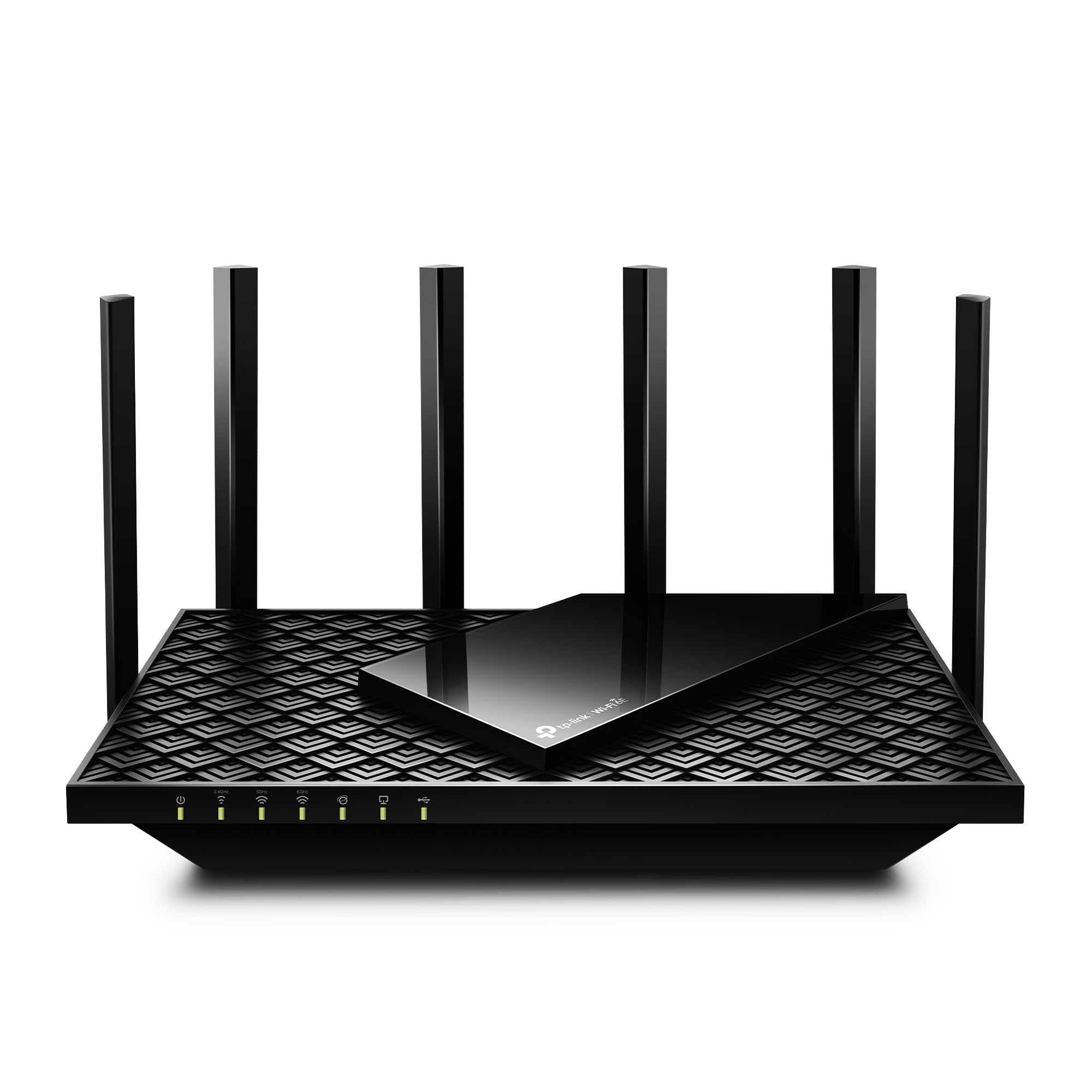
5,000+ ratings
Read Amazon ReviewsTP-Link Archer AXE75
Choose the BE600 if Wi-Fi 7 and several multi-gig wired connections are priorities.
The AXE75 is a more modest alternative for buyers who want tri-band 6 GHz Wi-Fi and OneMesh expansion without the BE600's Wi-Fi 7 feature set and multi-gig LAN capacity.
- The Archer AXE75 is a tri-band Wi-Fi 6E router with a 6 GHz band, up to 5,400 Mbps combined listed wireless speed, a 2.5 Gbps WAN port, OneMesh support with a compatible extender, and VPN client and server functions.
- The Archer BE600 offers Wi-Fi 7, a 6 GHz band, and multiple multi-gig ports, including a 10 Gbps port.
Computer Routers alternative
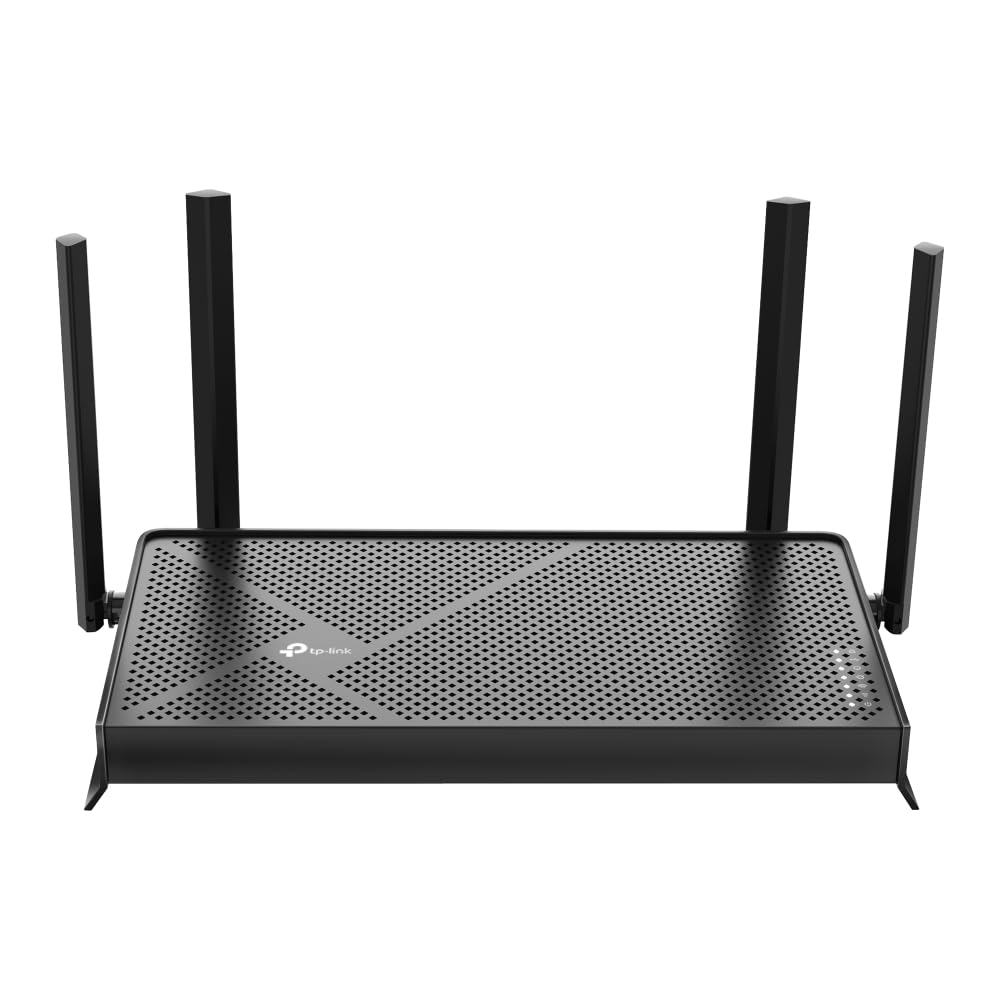
1,000+ ratings
Read Amazon ReviewsTP-Link Archer BE230
The BE230 may suit a buyer who wants Wi-Fi 7 and EasyMesh compatibility without needing 6 GHz or a full set of multi-gig LAN ports.
The BE600 is the stronger fit when tri-band Wi-Fi, 6 GHz clients, or several fast wired connections are central to the setup.
- The Archer BE230 is a dual-band Wi-Fi 7 router with listed maximum rates of 2,882 Mbps on 5 GHz and 688 Mbps on 2.4 GHz.
- It has two 2.5 Gbps ports, three 1 Gbps LAN ports, USB 3.0, and EasyMesh support; it does not support 6 GHz.
- The Archer BE600 is tri-band and includes 6 GHz Wi-Fi, a 10 Gbps port, and four 2.5 Gbps WAN/LAN or LAN ports.
Is Archer BE600 Worth It?
The TP-Link Archer BE600 is worth considering for a busy home that can use Wi-Fi 7, 6 GHz, and multi-gig wired connections. Its port selection is especially flexible, and its VPN and HomeShield features add useful network options.
The buying case is weaker if your devices are mostly older, your internet and wired network are limited to gigabit, or one router is unlikely to cover your home layout.
Match its capabilities to your clients, service, and space before choosing it.
Your review at a glance
600+ ratings
Read Amazon ReviewsTP-Link Archer BE600
A strong fit for busy homes seeking tri-band Wi-Fi 7, multi-gig wired ports, and broad device support in one router.
- Tri-band Wi-Fi 7 with listed maximum rates of 5,765 Mbps on 6 GHz, 2,882 Mbps on 5 GHz, and 1,032 Mbps on 2.4 GHz.
- Wi-Fi 7 features include Multi-Link Operation, Multi-RUs, 4K-QAM, and channel widths up to 320 MHz.
- One 10 Gbps WAN/LAN port, one 2.5 Gbps WAN/LAN port, and three 2.5 Gbps LAN ports.
- Six antennas and beamforming; coverage is listed at up to 2,600 square feet for up to 120 devices.