This FIFINE AmpliGame AM8 review looks at a dynamic microphone built for gaming, streaming and recording, with USB convenience and an XLR upgrade path.
AmpliGame AM8 Review Summary
The quick verdict
11,000+ ratings
Read Amazon ReviewsFIFINE AmpliGame AM8
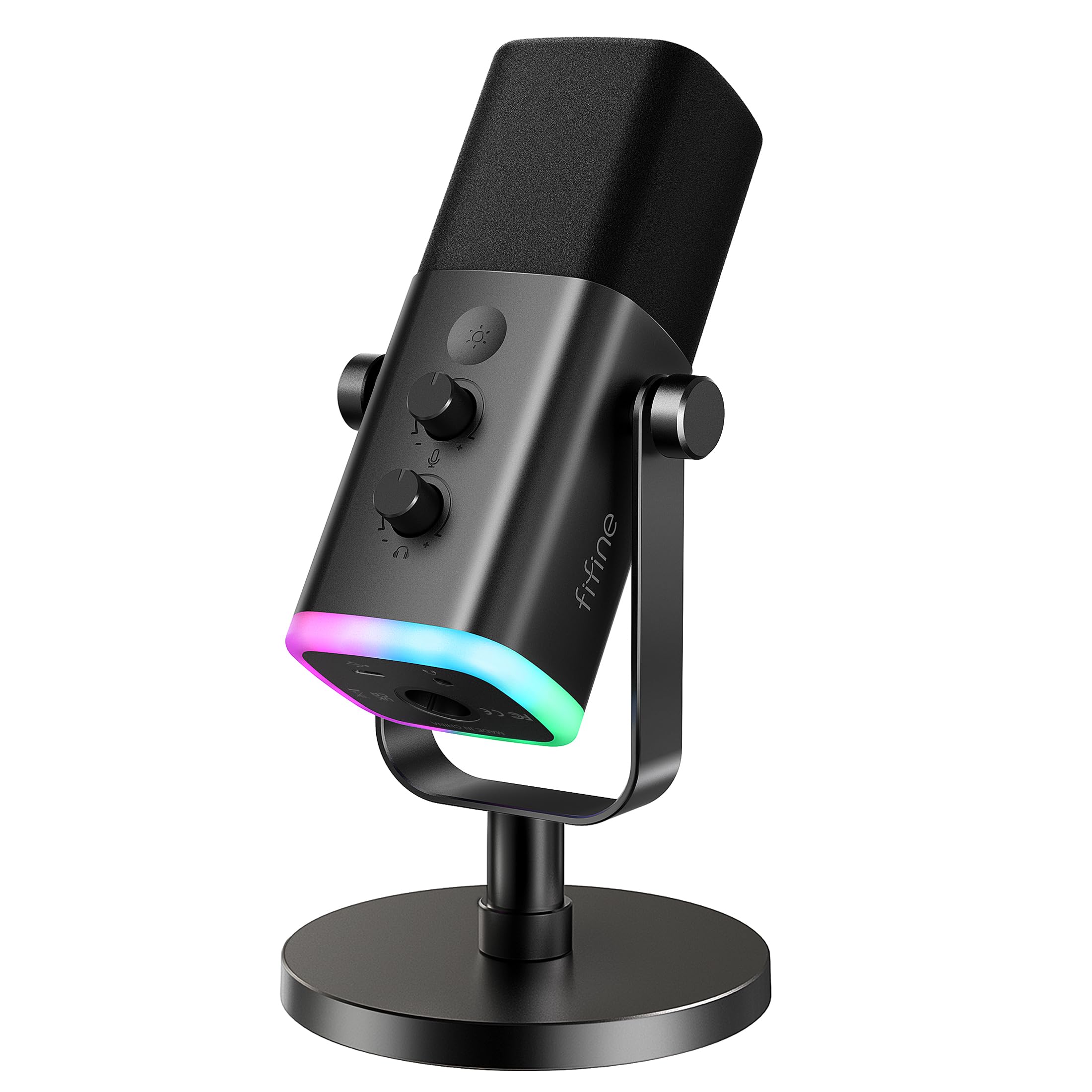
A USB/XLR desktop microphone for creators who want tap-to-mute, headphone monitoring and controllable RGB lighting.
- Dynamic cardioid pickup is designed to reject unwanted off-axis noise; the suggested recording distance is 2 to 6 inches.
- USB connection supports direct plug-in use and tap-to-mute, with an LED mute reminder.
- USB mode includes a headphone jack, monitoring-volume control and a microphone gain knob.
- Controllable USB RGB offers three modes and more than ten colors, with memory for the previous selection.

Pros
- Tap-to-mute is independent of computer or Mac controls, and an LED reminder helps prevent leaving the mic muted.
- USB mode combines headphone monitoring with on-mic gain adjustment.
Consider before buying
- The XLR setup requires a separately purchased cable, and RGB and the function key are inactive in that mode.
- The suggested recording distance is close, so plan to position the microphone near the speaker.
Read the full review summary
The AmpliGame AM8 suits a creator who wants a straightforward USB desktop setup with a physical tap-to-mute control, headphone monitoring and adjustable RGB.
Its dynamic cardioid design is intended to focus pickup toward the front, while the built-in gain control gives you an on-mic way to adjust level.
It is also suited to someone who may later add an audio interface or mixer.
The key tradeoff is that XLR operation requires a separate cable and turns off the RGB and function key, so the AM8’s most convenient desk controls belong to its USB mode.
The buying factors
AmpliGame AM8 Scorecard
Editorial scores reflect listed features and buyer fit; they are not laboratory measurements or customer ratings.
Connection flexibility
USB supports a direct computer setup, while XLR offers an interface or mixer route with a separately sourced cable.
Desk controls
USB mode includes tap-to-mute, a mute reminder, and a gain knob, which keep common adjustments on the microphone.
Headphone monitoring
A headphone jack and monitoring-volume control support checking the microphone feed while recording or gaming.
Lighting customization
USB mode offers three modes and more than ten light colors, with memory for the selected lighting setup.
Mounting flexibility
Built-in 3/8-inch and 5/8-inch threads allow use with many microphone stands without an external adapter.
XLR-mode control access
The USB-focused RGB and function key are inactive over XLR, and an XLR cable is not included, limiting convenience when switching to that route.
Key Features and Specifications of AmpliGame AM8
- Dynamic cardioid pickup is designed to reject unwanted off-axis noise; the suggested recording distance is 2 to 6 inches.
- USB connection supports direct plug-in use and tap-to-mute, with an LED mute reminder.
- USB mode includes a headphone jack, monitoring-volume control and a microphone gain knob.
- Controllable USB RGB offers three modes and more than ten colors, with memory for the previous selection.
- XLR connects through a separate cable to an audio interface or mixer; RGB and the function key are inactive in XLR mode.
- Built-in 3/8-inch and 5/8-inch threads fit many microphone stands without an external adapter.
Pros and Cons of AmpliGame AM8
Pros
- Tap-to-mute is independent of computer or Mac controls, and an LED reminder helps prevent leaving the mic muted.
- USB mode combines headphone monitoring with on-mic gain adjustment.
- RGB settings are adjustable and remembered between power cycles in USB mode.
- The USB path is designed for direct plug-in use, while XLR provides a route to an interface or mixer.
Consider before buying
- The XLR setup requires a separately purchased cable, and RGB and the function key are inactive in that mode.
- The suggested recording distance is close, so plan to position the microphone near the speaker.
- For frequent outdoor calls, check microphone performance in windy conditions before buying.
Who Should Buy AmpliGame AM8?
Good fit
Choose the AM8 for a gaming or streaming desk where USB tap-to-mute, RGB customization and headphone monitoring are useful. The gain knob and mute reminder keep practical adjustments within reach during a session.
It can also suit a creator starting with USB who expects to use an interface or mixer later.
Budget for an XLR cable and be comfortable losing RGB and the function key in that mode; the USB convenience features are the stronger fit for this microphone.
Who should skip it
Skip it if your intended workflow depends on RGB or the microphone’s function key while connected through XLR, since both are USB-only features.
It is also a poor fit if you need a microphone designed to sit far from the speaker; its suggested recording range is close.
AmpliGame AM8 Review Analysis
USB or XLR: choose the workflow first
USB is the simpler starting point because it connects directly and retains the mute, lighting and function controls.
XLR makes sense when you want an interface or mixer in the signal chain, but it calls for a separate cable and gives up those USB controls.
Plan for close microphone placement
The suggested recording range is close, so the desk layout should let you position the mic near your mouth.
Its cardioid pattern is intended to reduce off-axis pickup, which can be useful when other sounds come from outside the forward direction; it does not remove the need to manage the room and microphone position.
Use the onboard tools for session adjustments
USB mode puts muting, gain adjustment and headphone monitoring on the microphone, which suits creators who want to make routine changes without relying solely on software controls.
RGB adds desk customization, though it is a USB-mode feature rather than part of the XLR setup.
Alternatives to AmpliGame AM8
Multipurpose Dynamic Microphones alternative
5,000+ ratings
Read Amazon ReviewsSamson Q2U Dynamic USB-C/XLR Microphone
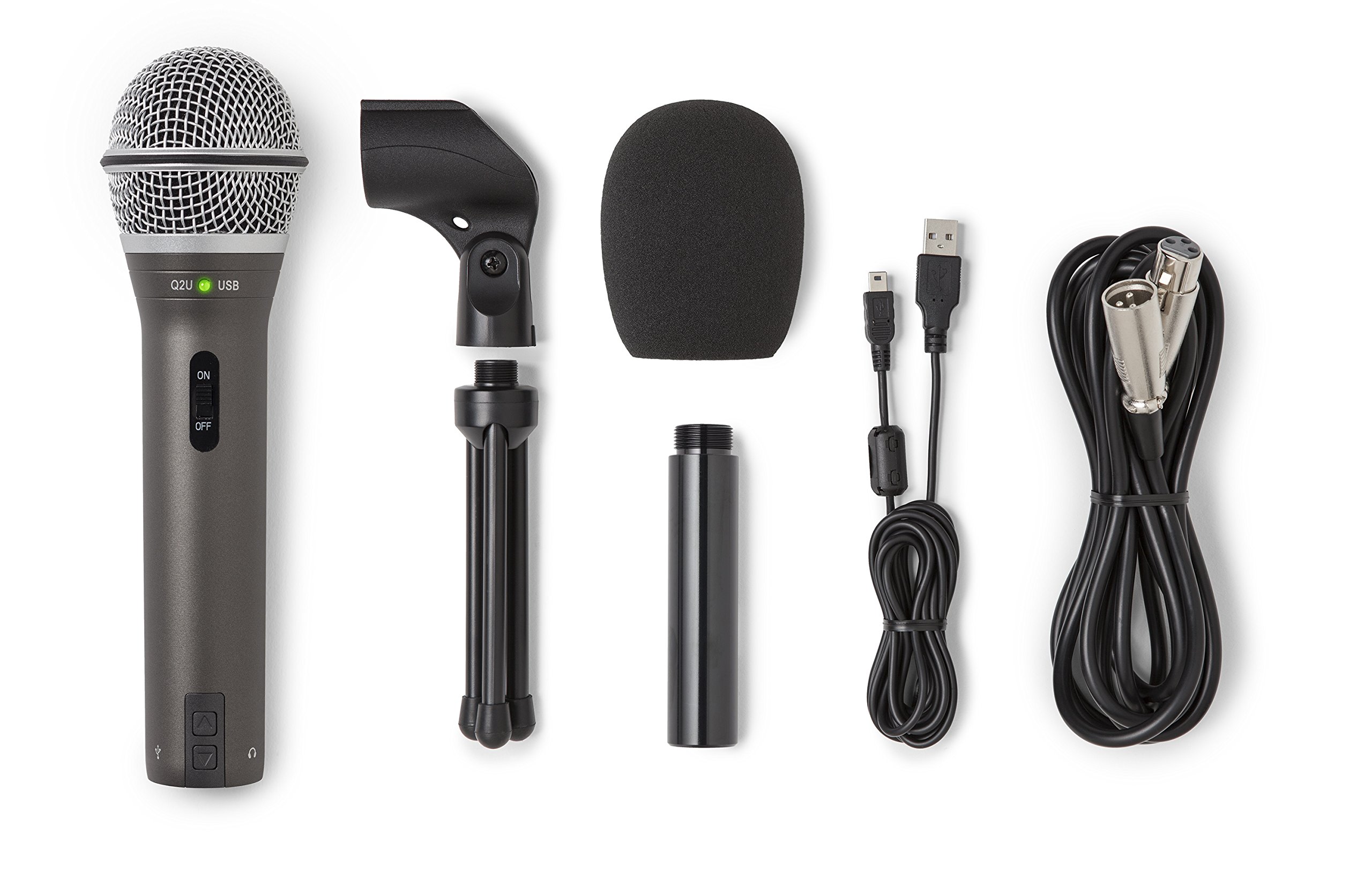
Prefer the Q2U if you want a handheld form and an included XLR cable and mic clip; choose the AM8 if USB RGB lighting and tap-to-mute matter more for a desktop gaming setup.
- The Q2U is a handheld USB-C/XLR microphone and its package includes a USB-C cable, XLR cable, mic clip and windscreens.
- The AM8 is a desktop gaming and streaming microphone with USB tap-to-mute and controllable RGB; its XLR cable is separate.
Multipurpose Dynamic Microphones alternative
600+ ratings
Read Amazon ReviewsSAMSON Q9U XLR/USB Dynamic Broadcast Microphone
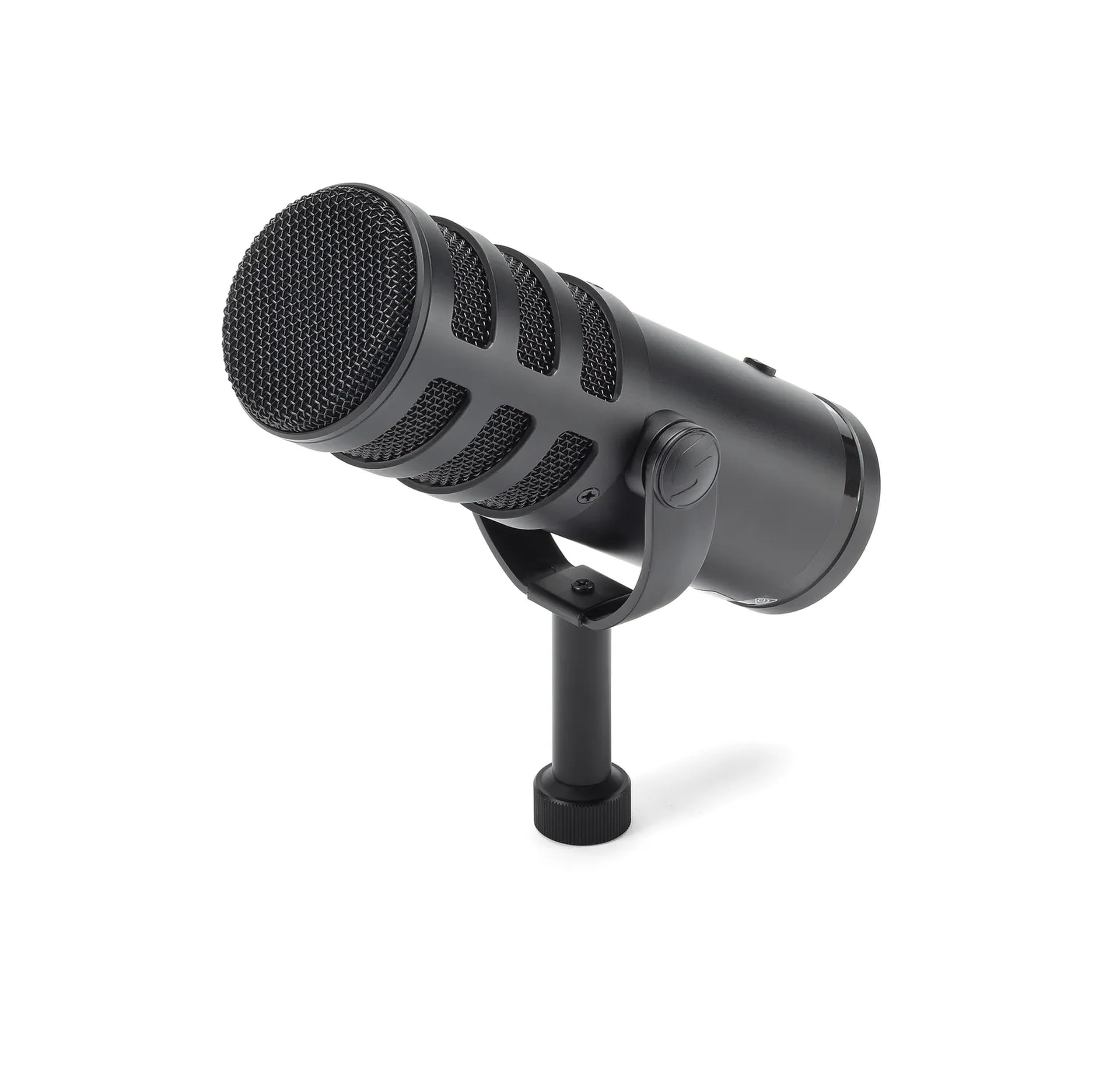
Choose the Q9U if its USB-C recording resolution, zero-latency monitoring and mute across both connections fit your workflow; choose the AM8 if you want USB RGB and its tap-to-mute desk controls.
- The Q9U offers USB-C recording at 24-bit/96kHz, zero-latency headphone monitoring and a mute switch that silences both its XLR and USB outputs.
- The AM8 centers on USB gaming-desk controls, including tap-to-mute and RGB that is inactive through XLR.
Is AmpliGame AM8 Worth It?
The FIFINE AmpliGame AM8 is worth considering for a gaming, streaming or home recording desk if USB convenience is the priority.
Tap-to-mute, headphone monitoring, gain adjustment and controllable RGB make its USB mode the clearest fit for creators who value accessible controls.
Treat XLR as a useful expansion path with compromises: the cable is separate and the RGB and function key stop working in that mode.
If those limits fit your setup, the AM8 offers a practical combination of direct USB use and later connection flexibility.
Your review at a glance
11,000+ ratings
Read Amazon ReviewsFIFINE AmpliGame AM8
A USB/XLR desktop microphone for creators who want tap-to-mute, headphone monitoring and controllable RGB lighting.
- Dynamic cardioid pickup is designed to reject unwanted off-axis noise; the suggested recording distance is 2 to 6 inches.
- USB connection supports direct plug-in use and tap-to-mute, with an LED mute reminder.
- USB mode includes a headphone jack, monitoring-volume control and a microphone gain knob.
- Controllable USB RGB offers three modes and more than ten colors, with memory for the previous selection.